
Coping skills
We all have different ways of dealing with hard times. Sometimes we react to a problem the only way we know how, but that doesn't necessarily mean it's the best way to handle it. Developing good coping skills is about choosing the strategy that works best for you. Learn about the different coping mechanisms that can help you deal with hardship and build resilience.

Quiz: How do you deal with emotions?
Wondering why you handle big feelings the way you do? Take this quick 2-minute quiz to find your emotional style and learn more about how to work with your emotions.

Ask a therapist: Dealing with mixed emotions
Why do we have mixed feelings? And what can we do about them? We asked Rashida Dungarwalla, registered psychologist, for answers.

Accessible wellbeing strategies
Discover accessible wellbeing and self-care strategies for physical disability or chronic illness, written by a ReachOut peer worker with lived experience.

What you need to know about shame
Learn what shame is, how it differs from guilt, and practical strategies to break the shame spiral and find self-compassion.
How are you going?
Feeling a bit off? But not sure how bad? Take a moment to check in with how you're really feeling with our simple online quiz.

How connecting with your values can guide you during tough times
Learn how connecting with your values can guide your choices, protect your wellbeing, and help you to stay strong when life gets tough.
How to cope if you see disturbing videos and other sensitive content
When you see a disturbing video, it’s normal to feel a range of emotions. If you’re finding things difficult to process, here are some strategies you can try to help manage your feelings.
Coping with distressing events when you're living away from home
Being away from home when something traumatic happens can be really difficult to handle. Check out some practical ways to cope and see what support is available.
A guide to dealing with constant change
Dealing with change is hard, but there are ways you can equip yourself to handle it better.
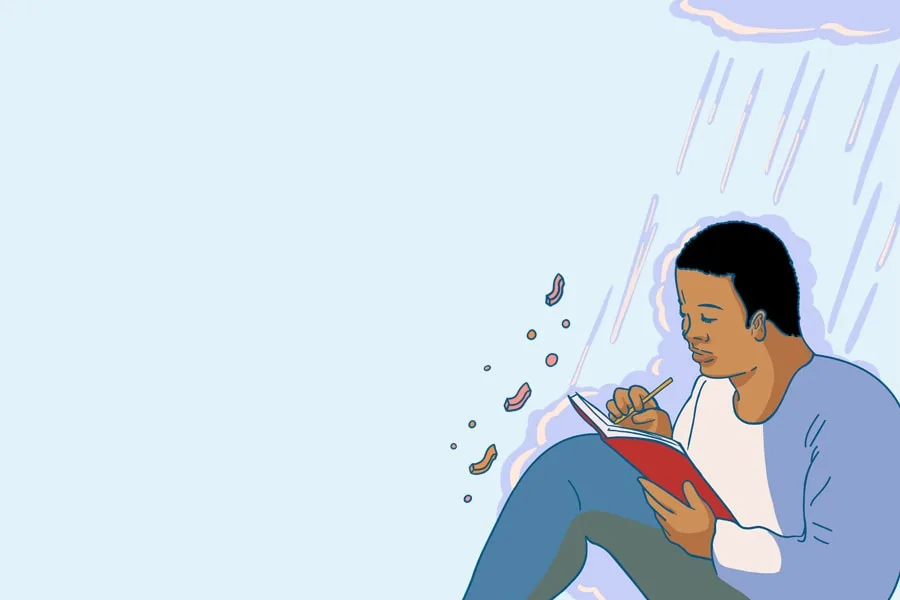
How to deal with disappointment
Disappointment sucks, but there are ways to deal with it and move on.
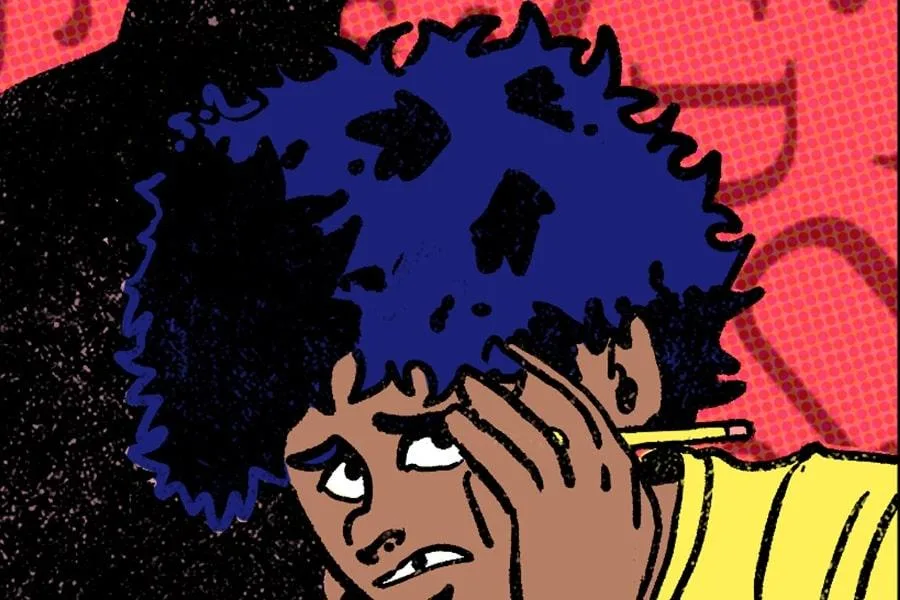
How to cope with shame job
It’s really common to feel shame job when bad stuff happens. Learn how to cope with these feelings and know that there’s no shame in looking after yourself.

How to cope when things feel out of your control
When you're going through a tough time and everything seems out of control, acceptance can be the best help.

10 coping strategies for dealing with the hard stuff
Try using some of the coping strategies listed below. They’ll help you to manage and relieve stress.
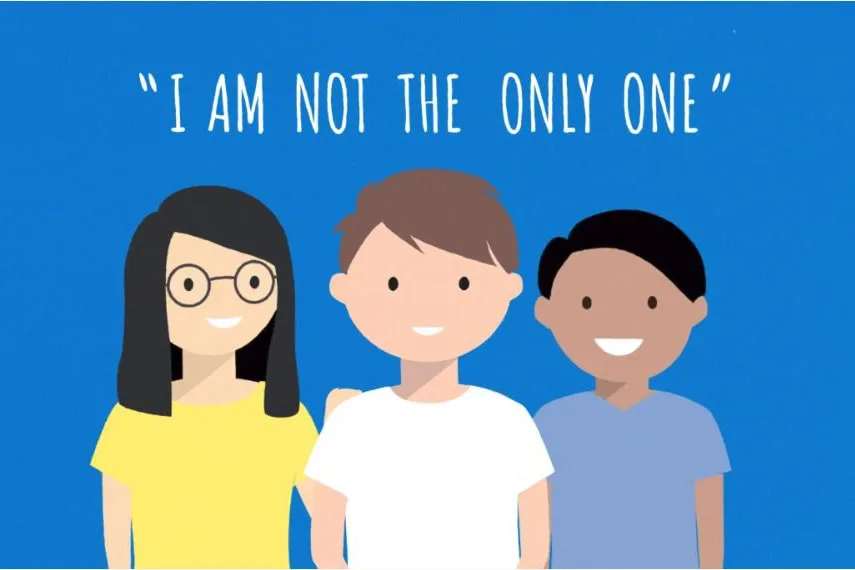
Why talking helps
When you're going through a tough time, one of the best and most effective things you can do to feel better is to talk to someone.

How to deal with the stress of bushfires, floods, earthquakes and cyclones
While natural disasters are out of your control, there are things you can do to feel better and to get help.
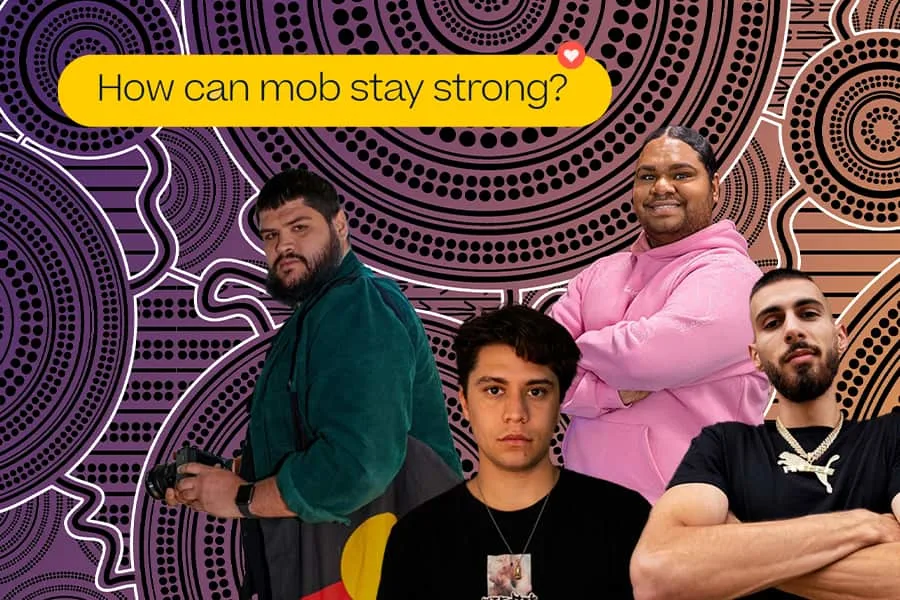
How to stay strong
Four First Nations content creators share what staying strong means to them, and offer some tips for other mob on how to stay strong.
Related topics
Frequently asked questions about coping
Healthy coping mechanisms help you accept and work through challenges while supporting your wellbeing. This could look like talking to friends, engaging in physical activity, or using a creative outlet. Unhealthy coping mechanisms might provide quick relief, but ultimately make things worse. Things like avoiding problems, isolating yourself, or using substances to numb your feelings.
The key difference is that healthy coping strategies help you face difficulties and grow stronger, while unhealthy ones often create new problems on top of what you're already dealing with.
The most effective coping strategies for mental health include connecting with supportive people, practising mindfulness through breathing exercises or meditation, and getting your body moving with whatever exercise feels good to you. Finding creative outlets like music, art and journalling, or establishing routines that provide structure during chaotic times, can also be helpful ways to deal with hardship. Remember that different strategies work for different people, so it's worth experimenting to discover what helps you feel grounded when life gets overwhelming.
Good coping skills teach your brain that you can handle difficult situations and come out the other side. This rewiring of your brain helps you build resilience over the long term. Each time you successfully navigate a challenge using healthy coping strategies, you're training your mind to approach future problems with confidence rather than fear. Over time, these experiences stack up, creating a solid foundation of self-trust and adaptability. This foundation then makes you more equipped to bounce back from whatever life throws your way.
You're never alone in dealing with hardship. Talking to people you trust, like friends, family members, school counsellors, or teachers, can offer support and perspective when you're going through tough times. For more specialised help, headspace provides free or low-cost mental health services specifically designed for young people. Services like Kids Helpline (1800 55 1800) also offer 24/7 confidential support via phone, chat, or online. You could also consider chatting to a peer worker.
Remember that reaching out is a sign of strength, not weakness.