
Stress
Stress is your body's natural reaction to pressure or demands that feel bigger than what you currently have to deal with. It kicks off a ‘fight or flight’ response, pumping out hormones like cortisol and adrenaline. In small doses, it's actually handy, and acts as the body and brain's natural motivator, like that sharp burst of focus before an exam or a big work presentation. But when stress sticks around and becomes constant, it starts taking a heavy toll on your mind and body. For young people, the usual suspects include study, work and money pressures, relationship challenges, big life changes, and the constant noise of social media.
Stress shows up in all sorts of ways. Physically, you might notice headaches, a tight chest, a change in appetite or restless nights. Emotionally, it can look like irritability, a sense of sadness, or a creeping feeling of anxiety that won't go away. Catching these signs early gives you the power to act before things snowball.
The good news is that there are plenty of healthy ways to manage stress. Building a toolkit of coping skills, like mindfulness, getting active, or talking to a trusted mate, can help you lower your internal pressure. Being kinder with your internal self-talk goes a long way to changing the way your body and brain react to stress. Prioritising self-care, like getting a decent night’s sleep and eating healthy food, also builds your resilience over time. If stress is starting to feel unmanageable or is affecting your daily life, it's a good idea to reach out for support. Connecting with others who understand on PeerChat is a great first step toward feeling less alone in what you're going through.
Find answers about stress
Looking for stress-management tips? Get practical strategies to help you cope.
Quiz: Are you burning out?
Do you feel drained, run down and unmotivated? Take this quiz to help figure out if you’re burning out and what you can do about it.

Everything you need to know about stress
Stress is a normal part of life and actually helps us cope with pressure – but it can turn unhealthy. Discover everything you need to know about stress.
How to manage anxiety and stress
It’s totally normal to feel stressed or anxious from time to time, but there’s lots of things you can do to feel a bit better. Learn how to deal with anxiety here.
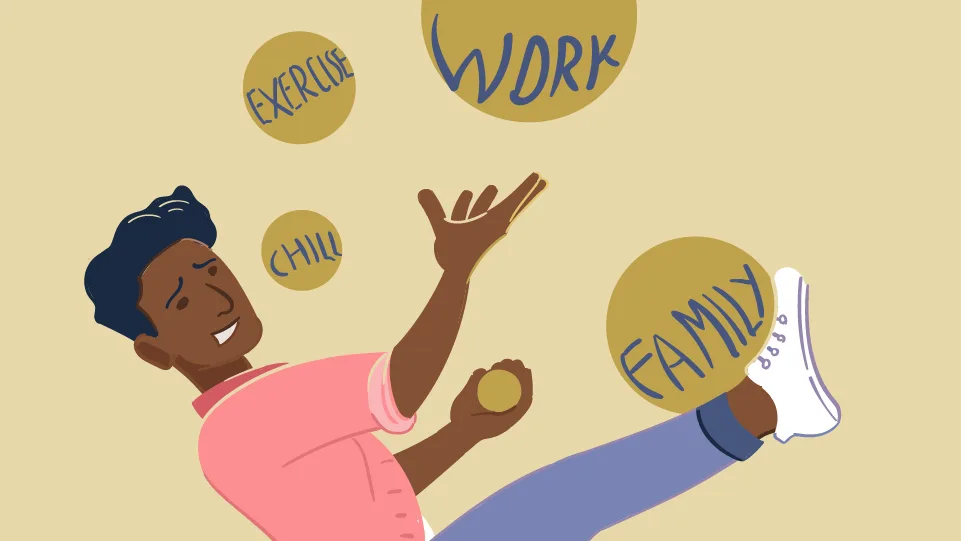
What is burnout?
Burnout and stress are pretty closely linked, but they’re not the same thing.

What does stress do to the body?
How does stress affect your body? It's normal to feel stressed, but if you always feel this way it can have negative impacts on your mind and body.

Blak and forth: Coping with stress
From getting back to Country to chucking on a playlist, hear how Alex, Anisha and Mia cope when the stress of exams and assignments starts to ramp up.
What are the signs of stress overload?
Find out how stress can help you to kick goals and learn the signs that it might be spiralling out of control.

5 steps to talking to someone you trust
Often the best way to deal with an issue is to talk to someone you trust. Here’s the step-by-step guide on how to talk to someone.

How to deal with pressure from your parents
Read on for some practical tips on how to deal with high expectations from parents.

I’m annoyed at everyone
Are you pissed off all the time, or with people when what’s bugging you isn’t even their fault?
Related topics
Frequently asked questions about stress
It’s your body reacting to pressure that feels overwhelming. It triggers that ‘fight or flight’ mode and can stem from anything from study and money issues to life changes. While short-term stress is normal and even helpful, chronic stress burns you out. Learn more about what stress is and how it works.
Stress hits everyone differently, but common physical signs include headaches, a tight chest, and trouble sleeping. On the emotional side, you might feel constantly on edge, irritable, or flat. Behaviourally, you might start pulling away from mates or leaning on bad habits to get through the day. Spotting these signs early lets you get on top of them. Explore the common signs and symptoms of stress.
Stress and anxiety feel pretty similar, but there’s a clear line. Stress usually has a specific reason to be there and motivates you for an external cause, like an upcoming deadline, and fades once that situation wraps up. Anxiety can stick around even when there's no clear trigger, bringing a persistent sense of dread about the future. If your worry won't switch off, chatting to a professional is a good move. Learn more about what stress is and how it works.
Managing stress is about building a toolkit of strategies that work for you. Positive self-talk to build up your confidence, and preparing well for an upcoming assignment or exam are two practical ways to support stress levels and help you feel in control. Healthy coping skills like physical movement, mindfulness, journaling, or venting to a friend help bring your stress levels down. Paired with basic self-care like sleep and screen-free breaks, you’ll build long-term resilience. If you're not sure where to start, connecting with a peer worker on PeerChat can help you discover what works for others. Check out our practical tips for managing anxiety and stress.
It’s time to reach out if your stress has been dragging on for ages, is messing with your sleep or study, or your usual tricks aren't cutting it anymore. You don't have to wait until you hit breaking point. A GP, school counsellor or other mental health professional can help you put together a solid plan. Learn more about what stress is and how to get support.