
Communication skills
The way we communicate affects every part of our lives, from how we get along with friends to our confidence at school or work. Good communication isn't just about being a smooth talker; it’s about making sure you’re heard and truly hearing others.
When we communicate well, we build stronger trust and resolve conflicts faster, which is a big win for our mental wellbeing. This collection covers the essentials of connecting with others, including key tips for better communication and handling difficult conversations.
Whether you’re learning to be more assertive, practising active listening, or figuring out how to say sorry, these skills are tools you’ll use for life. Learning to talk openly about your mental health or your needs is an act of self-care that helps you build the relationships you deserve.










Related topics
Frequently asked questions about communication skills
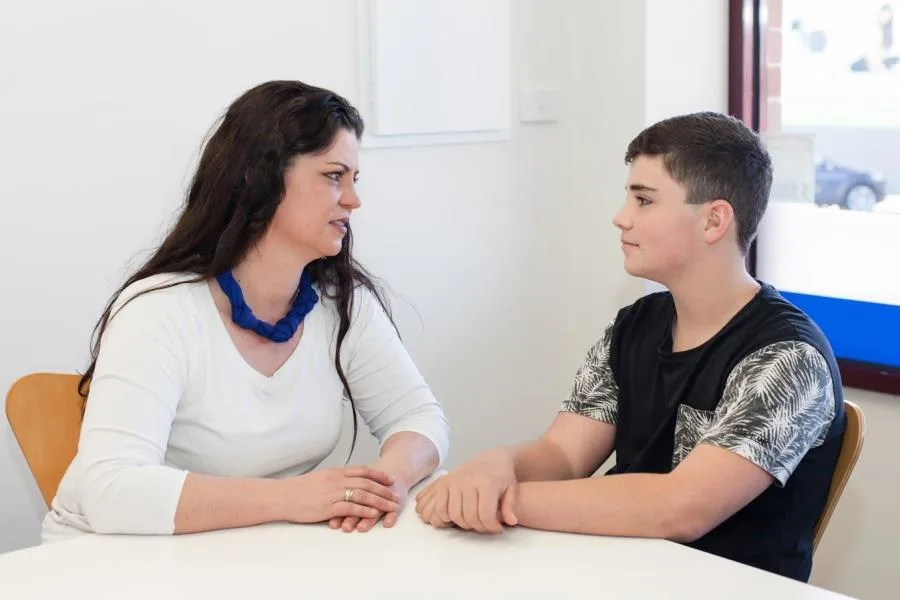
Good communication involves active listening, being clear and honest, and using non-verbal cues and body language to show you’re engaged. This can look like putting away your phone, maintaining eye contact, asking clarifying questions, and following up on events that happened recently. It can also help to notice the other person’s non-verbal cues to understand how the conversation is flowing, such as their own body language, their facial expressions, and how distracted they are. Read more in our guide to better communication.
Difficult conversations are never easy, which often leads us to avoid them. When having a difficult conversation, choose a time and place that works for both of you, listen carefully, look at the issue from their point of view, and be clear about what you hope to resolve. It’s also okay to have a couple of conversations rather than just one, as it can help reset tensions and get your mind clear. Get some tips on how to have a difficult conversation.
Improving your listening skills is the backbone of good communication. You can try:
listening to understand before responding
putting away distractions and giving them your full attention
stopping yourself from interrupting
being mindful of your non-verbal cues such as nodding your head, maintaining eye contact and sounds of understanding
asking follow-up questions to show you’re engaged.
Telling someone that they’ve hurt you can be uncomfortable, but sometimes it’s important to face it head on. Remember, even though you’re hurting, it's helpful to be direct but still kind. Explain exactly what happened, how it made you feel, and what you need from them moving forward. Get some tips on how to tell a friend they’ve hurt you.
A real apology involves taking responsibility without making excuses, acknowledging the hurt you caused, and showing how you’ll do things differently next time. Even though it can be uncomfortable to admit your mistakes, learning to say sorry honestly will help you in all kinds of relationships.