
Families
Our relationships with family members shape how we see ourselves and the world, but they can be some of the most complex relationships we’ll ever navigate. Whether you’re dealing with conflict with family, navigating the fallout of your parents’ divorce, or managing high parental expectations, it’s normal to feel overwhelmed or unheard. Sometimes, the challenges are heavier, like supporting a parent with a mental illness or realising that your home is not a safe place. Whatever you’re going through, you don’t have to figure it out alone. This collection is designed to help you navigate the ups and downs while prioritising your own wellbeing.
Building stronger connections often starts with small steps. Check out these tips for talking to parents about mental health to start those tough conversations, or explore our communication skills hub to find better ways to express your needs. If you’re looking to support those closest to you, our supporting family collection offers practical advice on being there for others without burning yourself out.
If you’re feeling stuck or just want to chat with someone who gets it, our peer workers are here to listen. Connect with ReachOut PeerChat for a free, anonymous, and supportive conversation.













Related topics
Frequently asked questions about family relationships
Family conflict happens when members of a household have clashing beliefs, values, or needs. It can range from small disagreements to ongoing tension. While common, persistent conflict with family can feel draining, so it’s important to find healthy ways to communicate and set boundaries.
Stress at home can lead to anxiety, low mood, or a sense of being overwhelmed. When home doesn't feel like a sanctuary, it impacts your overall wellbeing. Learning how to cope with the highs and lows of family life can help you protect your mental health.
Managing family conflict is about finding a balance between expressing your needs and knowing when to step back. Try using ‘I’ statements and choosing a calm time to talk. For more practical strategies, check out these 5 ways to get your parents to really listen to you.
Starting this conversation can feel scary, but being prepared helps. Choose a time when everyone is calm, think ahead about what you need them to understand, and be specific about what you’re experiencing. Read our 6 tips for talking to your parents about mental health to help guide the process.
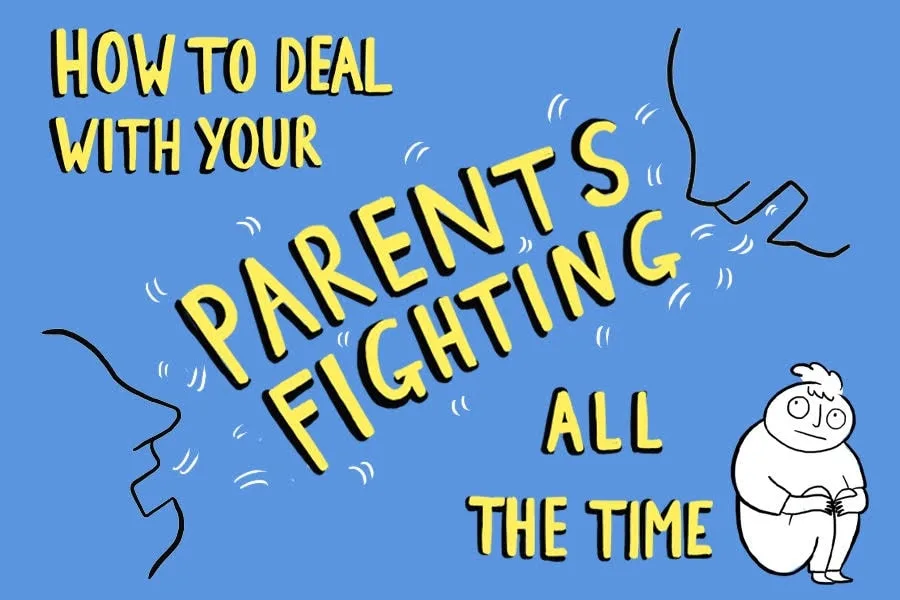
It’s natural to feel scared, worried, stressed, frustrated or caught in the middle when your parents fight, but remember, it isn’t your fault nor your job to fix their relationship. Focus on your own wellbeing. This might look like finding a quiet, safe space to retreat to, or reaching out to a trusted friend or family member. Read our advice on how to deal with your parents fighting all the time. Please also know that physical abuse is never okay, and if you ever feel unsafe, call 000.
Divorce brings a lot of change, and it’s okay to feel a mix of emotions like anger, sadness, or even relief. Focus on what you can control, set up consistent positive routines, and lean on friends or mental health professionals for support. Read more about dealing with divorce and custody to help navigate the transition.
Your safety is the most important thing. If you feel threatened, scared, or unsafe at home, call 000 and please reach out for professional ongoing help immediately. There are people ready to support you. Learn what to do when your home is no longer a safe place and where to find immediate help.