
Cultural identity
Your cultural identity is the unique mix of heritage, traditions, language, values, and community connections that makes you, you. It shapes how you see the world and acts as an anchor for your mental health. It’s normal for this to evolve, grow, or feel complex, especially when balancing family expectations with the world around you.
Cultural identity runs much deeper than where you were born or where your family grew up. It lives in the traditions you keep, the languages you speak, the values you hold, and the customs passed down through generations. Shaped by heritage, spirituality, and shared community, it anchors you to where you came from while giving you a foundation for where you're going.
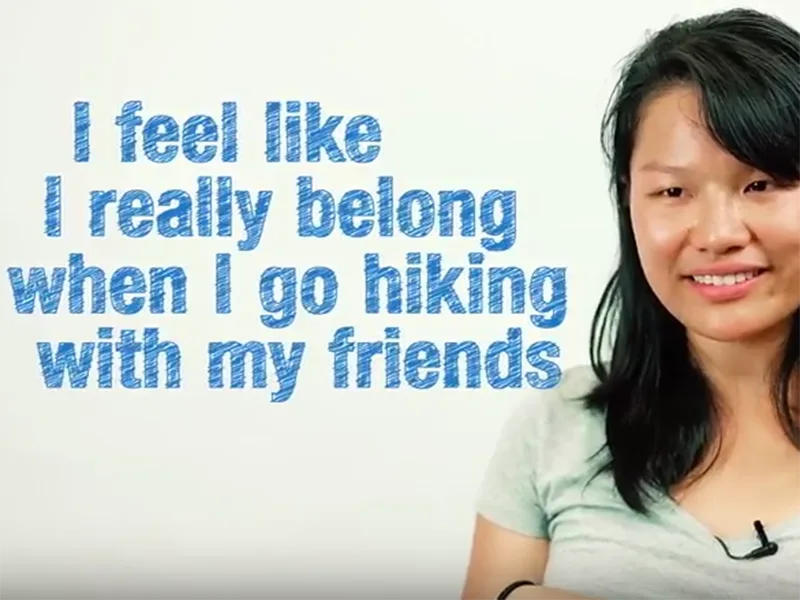
For many young people, identity is a powerful source of strength. Grounding yourself in cultural pride gives you a built-in sense of belonging and self-worth, a natural buffer that helps you weather life’s toughest moments.
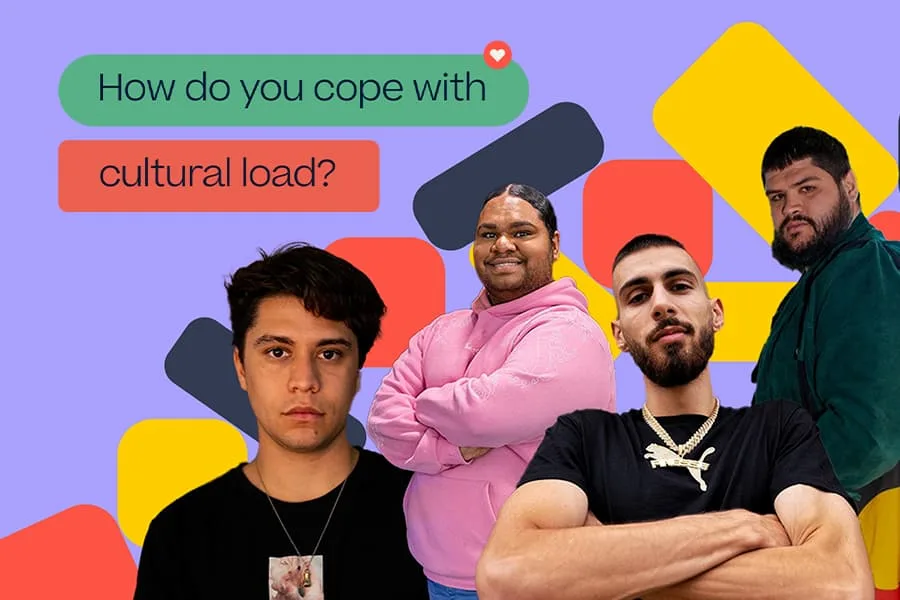
At the same time, holding on to your background can come with its own set of challenges. You might feel like you're constantly code-switching or walking a tightrope between family expectations at home and the social norms at school or work. That constant balancing act can spark friction in your family relationships, feel deeply isolating, or become even harder when facing the pain of racism. Developing open, healthy ways to communicate can help you bridge those gaps without losing yourself in the process. Your relationship with your heritage is entirely yours to define, and finding a way to honour it on your own terms is a powerful step towards overall wellbeing.













Related topics
Frequently asked questions about cultural identity
Cultural identity is your sense of belonging to a particular cultural group or groups. It can include your heritage, traditions, beliefs, and values. It's a unique and personal part of who you are, and it's something that can evolve and change over time.
Culture shapes how we see ourselves and the world around us. It’s reflected in our family traditions, customs, language, and shared experiences. Your cultural background is something to be proud of, and it can be really empowering to explore and understand how it influences who you are. Read more about navigating your cultural identity.
Cultural identity can be expressed in many ways, such as your language, religious beliefs, food traditions, celebrations, music, and artistic expressions. All these elements make you uniquely you – there's no ‘right’ or ‘wrong’ way to express your cultural identity.
Feeling genuinely connected to your heritage works like an emotional anchor. That shared sense of history and community builds self-esteem, deepens resilience, and offers a comforting reminder that you aren't walking through life alone. You may also learn about ways that generations before you dealt with distress and navigated the world and find it helpful to adopt those to your day-to-day life. However, when your culture is misunderstood or you face the pain of racism, it takes a heavy emotional toll, often triggering anxiety, self-doubt, or deep isolation. Surrounding yourself with supportive spaces while honouring your background helps protect your peace of mind.
Feeling torn between home-life traditions and modern social circles is exhausting. Instead of forcing yourself to pick a side, give yourself permission to blend them in a way that feels true to you and your values. Take time to think about which values from both worlds actually resonate with you. Sharing your perspective with your family requires patience and gentle boundaries, but clear conversations can help ease the tension over time. You are allowed to create a version of your culture that respects your history while honouring the person you are becoming. Read more on navigating family expectations.