
ADHD
What is ADHD? Attention Deficit Hyperactivity Disorder (ADHD) is a neurodevelopmental difference that affects how the brain processes information, manages energy, and handles executive functions (the brain’s management system for things like planning and focus). It’s a fundamental difference in brain wiring, not laziness or a lack of willpower. Because every ADHD brain is unique, some people struggle more with focus, while others feel a constant need to move, or experience a mix of both. Although it’s often associated with being physically active, many people experience ADHD as an internal restlessness or a persistent mental fog.
Common signs include difficulty starting tasks, being easily distracted, impulsivity, or hyperfocusing on things you find deeply interesting. Taking a neuroaffirming approach accepts that an ADHD brain works differently, instead of ‘wrongly’ and recognises that an this can come with distinct strengths, such as creativity, high energy, and the ability to think outside the box. However, navigating a world built for neurotypical people can cause significant stress and impact your study, work and money.
Living with ADHD can also affect your mental health, often leading to anxiety or feelings of being overwhelmed. For some people, it can mean feeling hyper sensitive to perceived rejection, and overly concerned with how others perceive you. Developing specific coping skills and self-care routines that work with your brain rather than against it is essential. Whether you’re pursuing a formal diagnosis or just looking for ways to manage your day, support is available. You can share your experience with a peer worker through PeerChat - it’s a safe space to discuss helpful strategies, find support, and feel less alone.
Find answers about ADHD
Looking for help exploring ADHD? Find professional support options that suit you.

Do I have ADHD?
If you’ve been wondering if you have ADHD, check out this article from Dr Amy Burton on ADHD symptoms, types of ADHD, and how to get a diagnosis of ADHD.

ADHD: Everything you need to know
We talk about what ADHD is, ways it can affect your life, and what you can do if symptoms of ADHD are impacting your wellbeing.

ADHD: From teens to twenties
Comedian Rudy Jean Rigg and psychologist Rashida Dungarwalla discuss ADHD, autism, the journey to diagnosis and finding community and support.
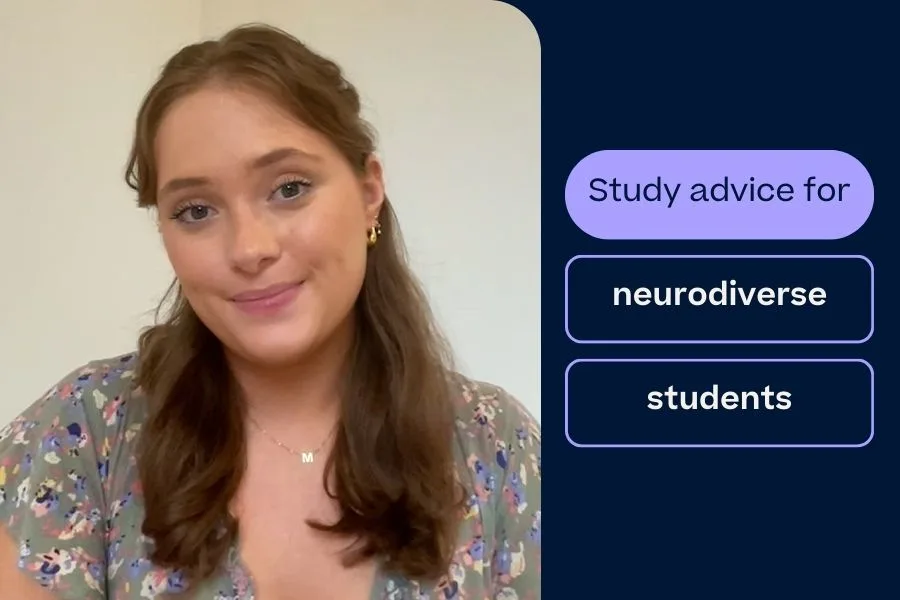
Study advice for neurodiverse students
Hear how uni student Phoebe manages the challenges of studying with dyslexia.
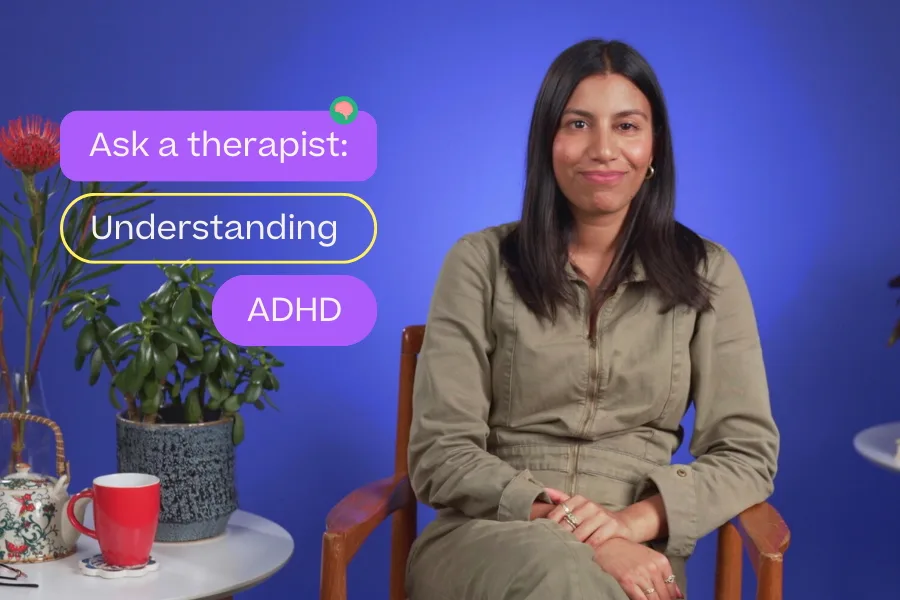
Ask a therapist: Everything you need to know about ADHD
We asked registered psychologist Rashida Dungarwalla about symptoms of ADHD, types of ADHD, and ways to get help.

Am I neurodivergent?
Asking yourself this question can feel scary and confusing. Check out this guide on neurodivergence to help you start getting answers.
Learning to love having ADHD
Life with ADHD can sometimes be challenging – but there’s plenty to appreciate, too. Here’s how you can learn to love your ADHD, and make the way your brain functions into your superpower.

5 ways ADHD affects your life that you might not expect
ADHD exists outside of the classroom and the workplace. Here are some surprising ways that ADHD can affect your life (and no, they’re not all bad).

ADHD in women and girls
Learn more about ADHD in women and girls, what symptoms can look like and how to get support if you think you might have it.
Related topics
Frequently asked questions about ADHD
ADHD stands for Attention Deficit Hyperactivity Disorder. It’s a lifelong neurodevelopmental difference, meaning your brain is wired to process information and manage energy differently than a typical brain. It’s a form of neurodivergence affecting executive functions, which act as the brain management system for focus, planning, and impulse control. It’s not a reflection of your intelligence or effort; it’s just a different way of experiencing the world. Learn more about what ADHD is.
ADHD looks different for everyone, but common signs include difficulty starting or finishing tasks, being easily distracted, finishing other people’s sentences, racing to start a task or say something without thinking it through, or feeling a constant sense of internal restlessness. You might find yourself hyperfocusing on things you love while struggling to pay attention to tasks you find dull. Other signs include impulsivity, forgetfulness, or trouble with time management. Because these traits can be exhausting to manage, they frequently lead to stress or anxiety. Learn more about what ADHD is.
In Australia, a formal diagnosis is made by a psychiatrist, psychologist or a paediatrician if under the age of 16, often following a referral from your GP. The process involves looking at your history and school reports, speaking to teachers and loved ones, understanding any genetic links, filling in standardised questionnaires, potentially sitting an intelligence test, seeing how your traits affect your daily life, and ruling out other factors. Many young people find that getting a diagnosis helps them understand themselves better and opens up options for support in study, work, and money. Even without a formal diagnosis, you can still use strategies that support your brain. Learn more about what ADHD is and how to get support.
Managing ADHD is about finding coping skills that work with your natural rhythm. This might include using visual timers, breaking big tasks into tiny steps, putting reminders on your phone and using checklists or alarms, working on building positive cognitions and self-talk, or using body doubling by working alongside someone else. It is also important to build self-care routines that account for your energy levels and sensory needs. The goal is not to act neurotypical, but to find tools that help you navigate the world in a way that feels sustainable for you. Learn more about what ADHD is and how to get support.
Support comes in many forms, from professional help like therapy or medication to community-based networks. Talking to a psychologist can help you develop tailored strategies for executive functioning. Schools and workplaces can provide accommodations to help you thrive, and opening up to trusted friends and family is a great way to start building your support team. There are also ADHD coaches available who can support. Learn more about what ADHD is and how to get support.