
I've witnessed bullying
Seeing bullying happen can be really distressing. Your safety and comfort always come first, and you don’t have to put yourself in harm's way to be helpful. Intervention matters because it shows the person being bullied that they aren't alone and signals to the bully that their behaviour isn't okay.
Often, people are less likely to help when others are around because they assume someone else will step in. This is known as the bystander effect, and doing nothing indirectly supports the bullying behaviour. When you choose to act in ways that are safe for you, you move from being a passive witness to someone who uses their influence to support the person being targeted.
These resources will help you understand how to be an upstander in ways that feel safe for you, what being a bystander means and how to help when you see someone being bullied online. You can explore our cyberbullying hub for more specific advice on digital spaces, or check out the broader about bullying hub for more resources.
Seeing someone else being treated poorly can be really distressing and leave you feeling unsure of what to do. If you want to talk through your options or process what you’ve seen in a safe, anonymous space, our peer workers are here to listen. Connect with PeerChat for a free online chat with someone who understands.



Related topics
Frequently asked questions about witnessing bullying
A bystander is anyone who sees or knows that bullying is happening to someone else but isn’t directly involved. While it might feel like you’re just staying out of trouble, being a silent witness can signal to the person bullying that their behaviour is okay. It can also make the person being bullied feel even more isolated. Understanding your role in these moments is the first step toward creating a safer environment for everyone. Learn more about this dynamic in our guide to what being a bystander means.
The difference between a bystander and an upstander lies in the action you take. A bystander watches bullying happen but doesn't intervene, often due to the bystander effect where people assume someone else will step in. An upstander, however, sees what is happening and chooses to take a stand against it. Being an upstander doesn’t always mean a big confrontation; it can be as simple as checking in on the person later or reporting the behaviour privately. Find out how to be an upstander.
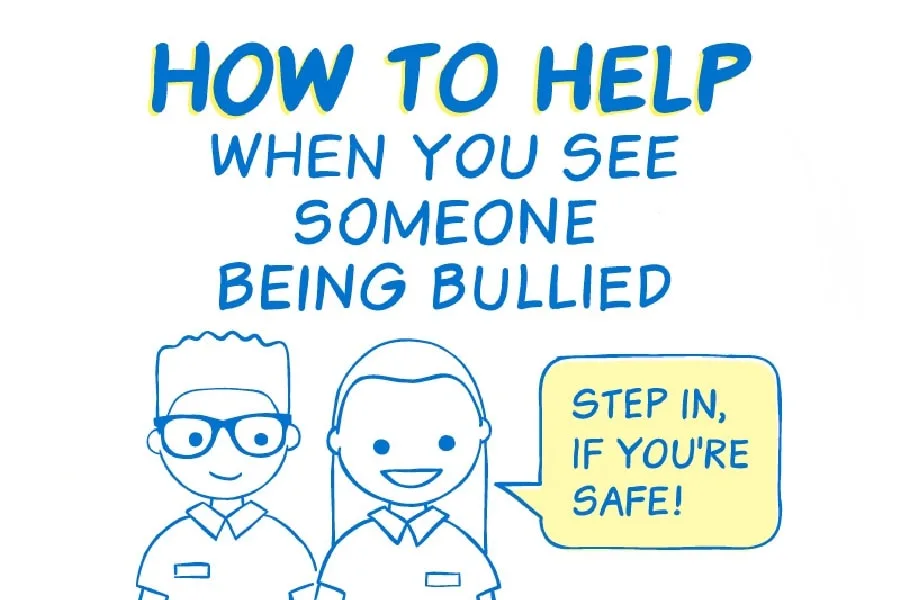
There are many ways to help someone being bullied without also putting yourself in danger. You can support the person being targeted by sitting with them, listening to their experience, or helping them report the incident to a trusted adult or platform. Sometimes, simply telling the person, ‘I saw what happened and it wasn't okay,’ can make a massive difference in how they feel. For practical steps on how to intervene safely, check out our tips on how to help when you see someone being bullied.
It’s completely normal to feel scared or worried about becoming a target yourself if you speak up. You don’t have to get into a fight to make a difference. If a direct intervention feels unsafe, you can help behind the scenes by reporting the bullying anonymously or talking to a teacher, parent, or manager. Explore different ways to manage these situations in our guide on how to help when you see someone being bullied.